

Event photography presents unique challenges that separate amateur snapshots from professional documentation. Whether you're capturing corporate conferences, weddings, or product launches, avoiding these seven critical mistakes will dramatically improve your results and client satisfaction.
Mistake #1: Using Incorrect ISO Settings
ISO controls your camera's sensitivity to light, yet many photographers either set it too high in well-lit environments or too low in challenging conditions. Setting ISO too high in adequate lighting produces unnecessary noise and grain, while using ISO too low in dim venues results in underexposed, unusable images.
The Fix: Match your ISO to your environment strategically. For outdoor events in good daylight, maintain ISO between 100-200 to achieve maximum image quality. Indoor venues typically require ISO 400-800, depending on available lighting. Low-light situations may demand ISO 1600 or higher, but modern cameras handle these settings better than ever before.
Start with the lowest ISO that provides proper exposure, then increase gradually as needed. Remember that slight grain is preferable to motion blur or underexposure that ruins the shot entirely.
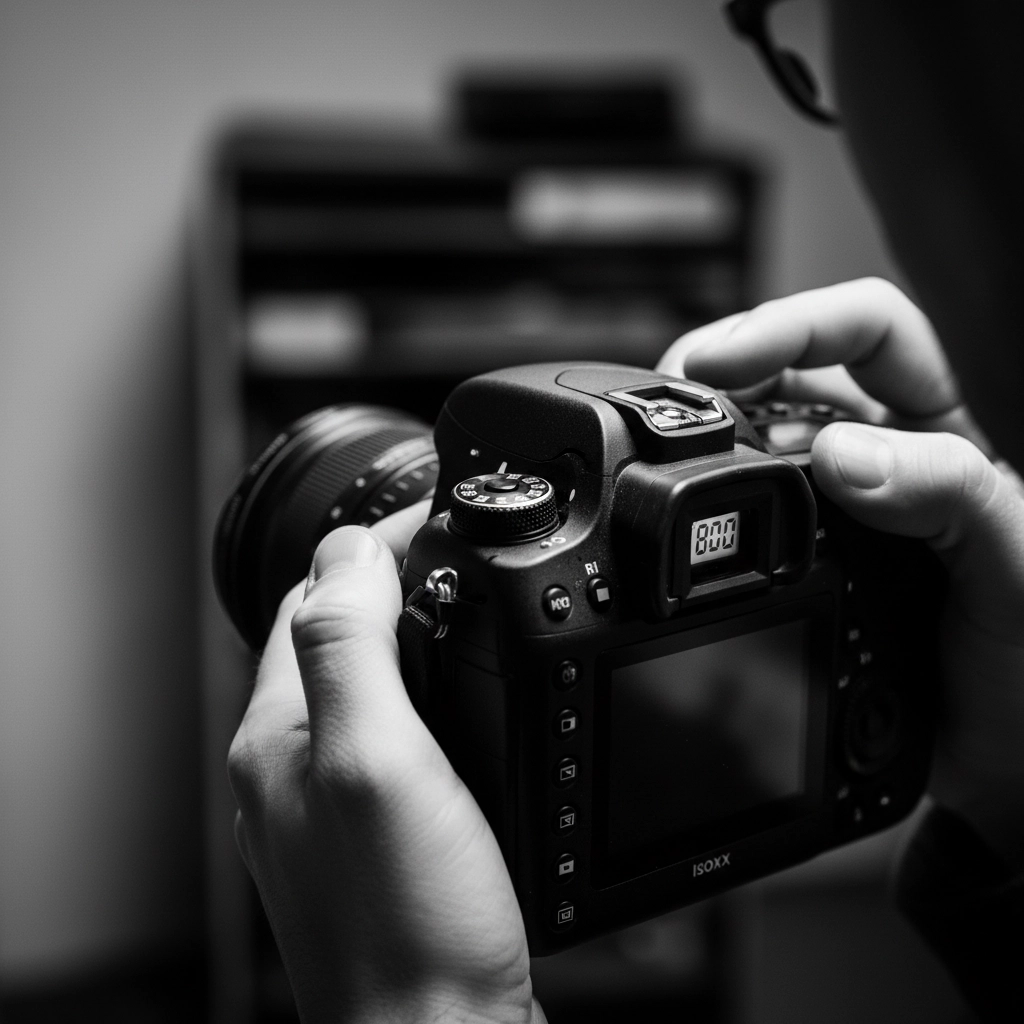
Mistake #2: Creating Blurry Images from Camera Shake
Handheld shooting without adequate shutter speed remains one of the most frustrating technical failures in event photography. Even with excellent equipment, insufficient shutter speed produces blur that makes otherwise perfect moments unusable.
The Fix: Implement the reciprocal rule as your baseline: your shutter speed should be at least 1/focal length. For a 50mm lens, use 1/50 second or faster. However, events demand even faster speeds due to constant movement.
For indoor events, use minimum 1/125 second. Outdoor shooting requires 1/500 or faster to freeze action effectively. When photographing fast-moving subjects like dancers or speakers gesturing energetically, increase to 1/1000 second.
Consider investing in image stabilization lenses or camera bodies, which can provide 2-4 stops of stabilization, allowing you to shoot at slower speeds when necessary.
Mistake #3: Neglecting White Balance
White balance errors create unnatural color casts that immediately identify amateur work. Indoor venues often mix different light sources: tungsten, fluorescent, and LED: creating challenging color temperature variations that automatic white balance cannot handle effectively.
The Fix: Set custom white balance for each lighting environment rather than relying on auto settings. For indoor venues with tungsten lighting, select the appropriate preset. Fluorescent lighting requires its specific setting to counteract green color casts.
When shooting in mixed lighting conditions, choose the dominant light source for your white balance setting. During post-processing, correct any remaining white balance issues early in your workflow before making other adjustments.
Professional tip: Photograph a gray card in each lighting environment to reference during editing, ensuring accurate color correction across all images.
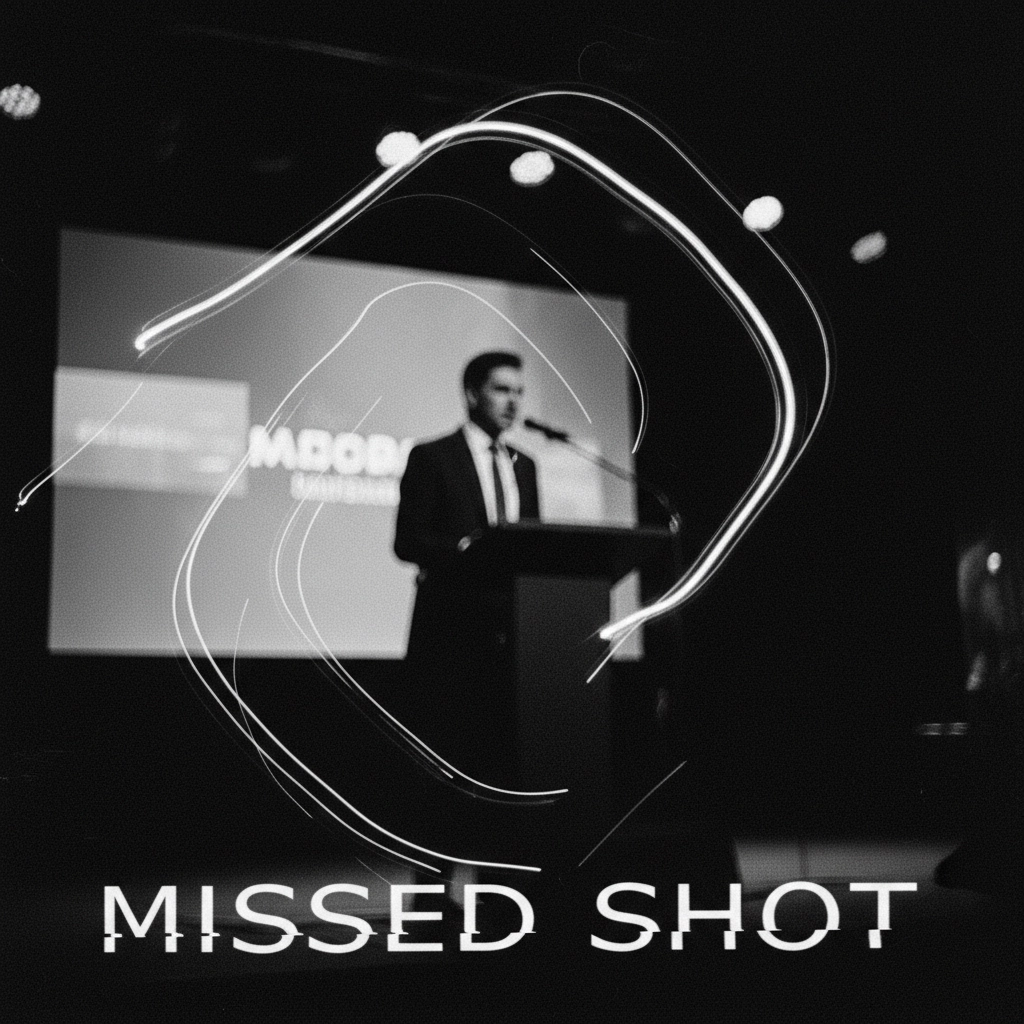
Mistake #4: Overusing or Misusing Flash
Flash photography creates harsh shadows, red-eye, and unnatural lighting that screams amateur work. Many photographers default to using flash constantly rather than leveraging available light creatively.
The Fix: Use flash sparingly and strategically. For outdoor events, rely primarily on natural light, using fill flash only to balance harsh shadows. When indoor lighting is insufficient, avoid direct flash whenever possible.
Bounce flash off ceilings or walls to create softer, more flattering illumination. Use diffusers to spread light evenly and eliminate harsh shadows. Consider off-camera flash techniques for more professional results when direct lighting is necessary.
Learn to work with available light first: modern cameras perform excellently at higher ISOs, often producing better results than poorly executed flash photography.
Mistake #5: Poor Composition and Framing
Weak composition makes professional equipment irrelevant. Common compositional errors include centering every subject, ignoring background elements, and using repetitive, uninspired angles throughout the event.
The Fix: Apply the rule of thirds consistently, placing subjects along imaginary grid lines for more dynamic compositions. Vary your perspectives throughout the event: alternate between tight emotional shots and wider contextual images.
Pay attention to backgrounds before shooting. Move to eliminate distracting elements rather than relying on post-processing fixes. Look for leading lines, natural frames, and interesting angles that add visual depth to your images.
Capture candid moments between staged shots. The most compelling event photos often happen during transitions: genuine laughter, concentrated listening, or spontaneous interactions that reveal authentic emotions.
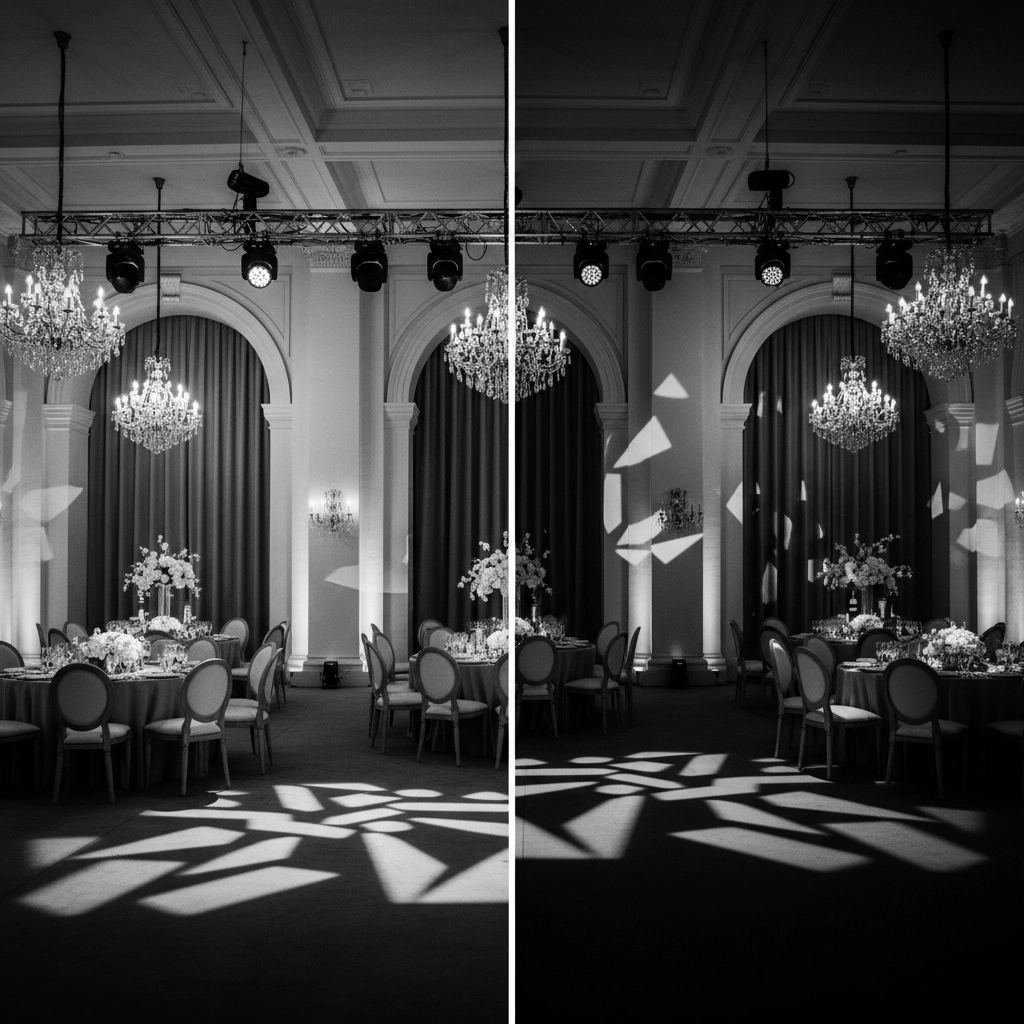
Mistake #6: Inadequate Planning and Preparation
Arriving unprepared to events leaves photographers scrambling to understand venues, lighting conditions, and crucial moments. This reactive approach results in missed opportunities and technical compromises that affect final image quality.
The Fix: Scout venues beforehand when possible. Understand room layouts, lighting conditions, and identify optimal shooting positions. Know the event schedule thoroughly, including key moments, speaker changes, and special presentations that require documentation.
Prepare equipment meticulously before each event. Charge all batteries, format memory cards, clean lenses, and pack backup equipment. Create equipment checklists to ensure nothing essential is forgotten.
Communicate with event organizers about expectations, restrictions, and special requirements. Understand which moments are non-negotiable captures versus general documentation needs.
Mistake #7: Overediting Images
Post-processing mistakes can ruin technically sound photographs. Over-sharpening creates artificial-looking images, excessive saturation produces unrealistic colors, and heavy-handed noise reduction eliminates important detail and texture.
The Fix: Develop a consistent editing workflow that enhances rather than transforms your images. Use adjustment layers in software like Lightroom or Photoshop to maintain editing flexibility and enable precise corrections.
Edit with restraint: subtle improvements often produce more professional results than dramatic alterations. Take regular breaks during editing sessions to review work with fresh perspective, preventing over-processing.
Maintain consistent color grading and exposure across images from the same event. Create custom presets that match the event's mood and lighting conditions, then apply them systematically while making individual adjustments as needed.
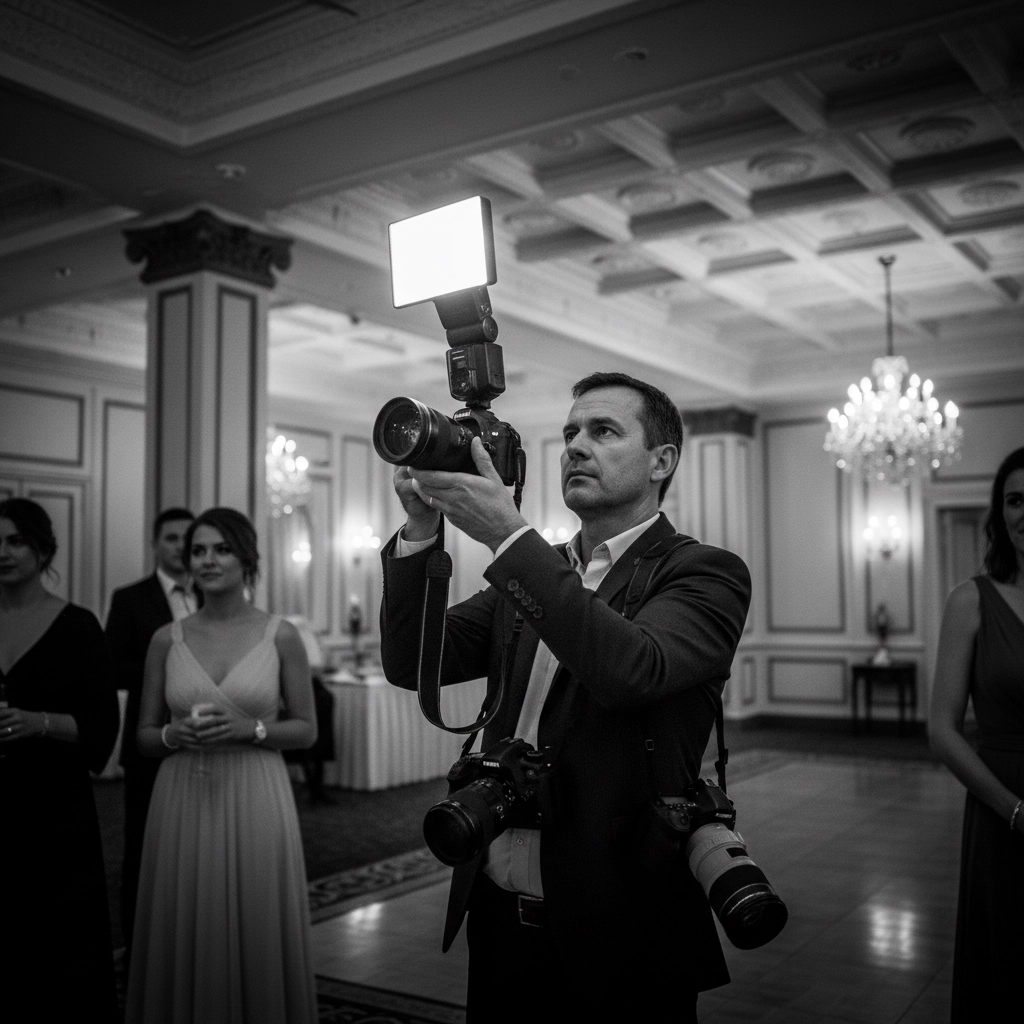
Building Long-Term Success
Avoiding these common mistakes requires practice, preparation, and continuous learning. Each event presents unique challenges that develop your technical skills and creative eye.
Document your successes and failures from each event. Review images critically to identify areas for improvement. Study work from established event photographers to understand advanced techniques and compositional approaches.
Invest in education through workshops, online courses, and hands-on practice. Event photography combines technical proficiency with interpersonal skills: both require ongoing development to achieve consistent professional results.
Taking Action
Event photography success demands attention to technical fundamentals while maintaining creative vision. Master these seven areas systematically rather than attempting to fix everything simultaneously.
Start by addressing your most significant weakness first. If camera shake affects multiple images, prioritize shutter speed techniques. If color casts appear consistently, focus on white balance mastery.
Practice these corrections during lower-stakes events before applying them to crucial client work. Build muscle memory for technical adjustments so you can focus on capturing decisive moments when they matter most.
Ready to elevate your event photography to professional standards? Contact Marauder Media Group to discuss how our commercial media expertise can support your next event documentation needs.